Shot on Film - Printed in the Darkroom

From 16x20 to 11x14
A note on darkroom printing, disappearing materials, and the changing scale of photography
Jay Eckardt
5/25/20262 min read
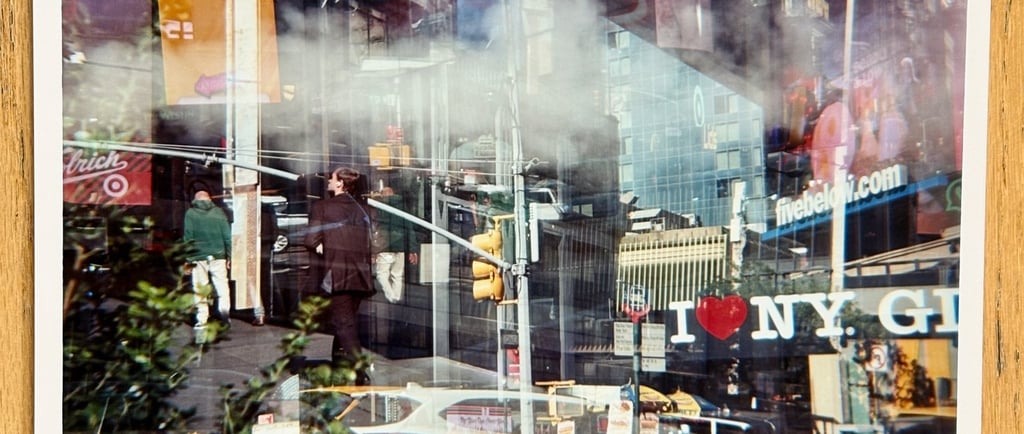
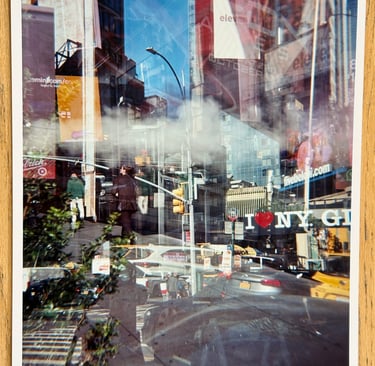
I have a long history within the photography business in New York City. Back in the mid 90s, I was picking up thousands of feet of 35mm motion picture film and dropping off exposed negative at the lab in Midtown. Things have changed, over the years. Digital has been a great disturbance to the old smoke and mirrors of photography.
When I found out that B&H had discontinued cut 16x20 photo paper, I was shocked. Then I realized there must be very little demand for it these days. A quick survey of the internet seemed to confirm it. 16x20 color photo paper was no longer available at any retail outlet in Manhattan. OK, end of an era.
Backing up a bit, I got into 16x20 paper when I learned color printing. A workshop at the International Center of Photography planted a lifelong seed. The concept of a color head is simple enough. You adjust yellow and magenta. Time and stop. Most of the magic is in the film and the paper.
I have been fortunate to have access to a Codex paper processor. Color paper development is much more involved than black and white, but the machine does the heavy lifting and dries the prints as well. That is the real hook. Paper size becomes almost irrelevant. No pesky trays, no hanging prints up to dry.
I settled on 16x20, although I could enlarge much bigger. For me, 16x20 always felt best suited to the medium format Holga negative. It gave the image enough room to breathe and enough presence to live on a wall. For years, I took it for granted that this format would remain readily available.
Then, without much fanfare, 16x20 cut paper was gone.
I have heard through the grapevine that Fuji considers it a discontinued line. So what am I supposed to do, despair? Hardly. I am not afraid to track down 16x20 paper and have it shipped to me. But at this point in my life, that is an added cost and complication I do not really need.
For now, 11x14 will be perfectly fine. It does not carry the same impact as 16x20, but it still conveys strong work and helps me on several levels. It is easier to handle, less expensive, and, for my New York friends, better suited to limited wall space. A little shrinkflation, perhaps.
Does this mean analog photo prints are gone forever? No. But it does suggest that the 16x20 color print has drifted toward irrelevance in the broader marketplace. History will tell.
If you hear of any further developments regarding this blessed paper size, keep in touch. Thanks for reading.
jay@holgabyjay.com
© 2026 Jay Eckardt. All rights reserved.
Images may not be reproduced without permission.
Purchase of digital files grants a non-exclusive license for personal use only.
Copyright remains with the artist.