Shot on Film - Printed in the Darkroom


Exploring the Holga 120S Camera
Jay Eckardt
3/11/20263 min read
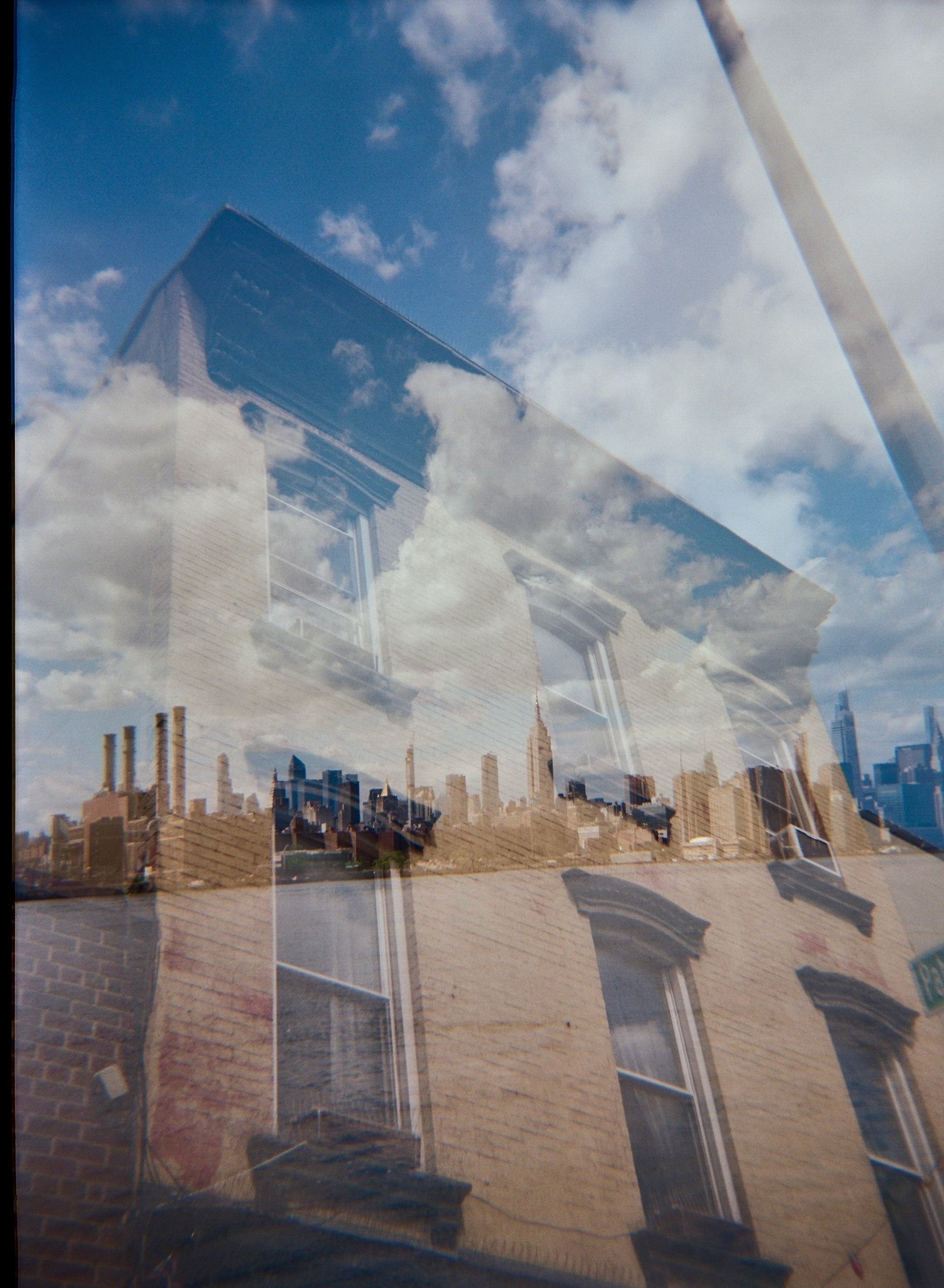


Overview of the Holga 120S Specs
The Holga 120S camera is a celebrated choice among photography enthusiasts, especially for those who appreciate the charm of medium-format film. This camera utilizes 120 roll film, which contributes to its distinctive image quality characterized by a square image format measuring 6x6 cm. This medium format film allows for greater detail and tonal range compared to smaller formats, resulting in photographs that have a unique depth.
One of the standout features of the Holga 120S is its simple, fixed lens. The camera is equipped with a plastic 60mm f/8 lens that creates soft focus images with a notable vignette effect around the corners. This lens is designed for spontaneity, as it is not interchangeable, allowing for ease of use and a no-fuss approach to photography.
The shutter speed is fixed at approximately 1/60s, giving photographers a straightforward shooting experience without complex adjustments. Additionally, the Holga 120S offers two settings for exposure: sunny and cloudy, which enables users to adapt to varying lighting conditions with minimal effort. The manual control over these settings encourages creativity while also embracing the limitations that this camera presents.
Notably, the body of the Holga 120S is made from lightweight plastic, resulting in a very portable camera that is easy to carry on adventures. However, this construction also lends itself to light leaks, which can produce intriguing and artistic effects in photographs. These unique imperfections contribute to the camera's allure, allowing photographers to embrace unexpected outcomes. In essence, the simplicity and limitations inherent in the Holga 120S's specifications not only define its physical form but also shape the artistic vision behind every photograph taken with it.
A Brief History of the Holga 120S Camera
The Holga 120S camera was introduced in the early 1980s, specifically emerging from China as a product of the National Plastic Factory. This camera was designed primarily to cater to amateur photographers, providing an accessible and cost-effective option for those keen on exploring the world of photography without the hefty price tag associated with more professional-grade equipment. Its compact and lightweight design made it especially appealing, enabling hobbyists to easily carry it along for casual photographic outings.
The original intent behind the Holga was to create a simple, no-frills camera that would allow users to focus on the art of photography rather than the technical intricacies of camera operation. The Holga quickly gained traction among amateur photographers, particularly in Western markets, where a growing interest in artistic and experimental photography pushed individuals to seek out unique tools that aligned with their creative vision. Despite its humble price, the Holga was noted for its characteristic vignette effects and soft focus, attributes that some photographers began to embrace as charming rather than flaws.
Over the years, the manufacturing of the Holga 120S underwent several revisions and updates to meet the evolving expectations of the photographic community. Initially produced with a rather simplistic structure, the model benefitted from enhancements in plastic molding techniques and the introduction of color variants. The rise of digital photography in the late 1990s saw a temporary decline in film usage, yet the Holga found a renewed fascination among enthusiasts looking to embrace vintage aesthetics and lo-fi photography styles, leading to its resurgence in popularity during the early 2000s.
In essence, the Holga 120S camera stands as an emblematic piece of photographic history, illustrating the balance between simplicity and creativity. Its evolution reflects broader trends in photography, merging traditional techniques with a renewed appreciation for the imperfections that make each captured image unique.
The Original Market and Target Audience
When the Holga 120S camera was first introduced in the early 1980s, it positioned itself in a market segment that was markedly different from high-end photography equipment. The original target audience primarily consisted of hobbyists, students, and amateur photographers who sought an affordable and accessible entry into medium format photography. Priced competitively, the Holga's lightweight plastic body and straightforward design made it incredibly approachable for those who might not have the means or desire to invest in more expensive camera systems.
In its inception, the Holga was not regarded as a serious tool for professional photography; rather, it was viewed as a 'toy camera.' This label did not hinder its appeal, as the Holga 120S allowed photographers to engage with a form of creative expression that emphasized simplicity and spontaneity. Its innate ability to produce unique images characterized by vignetting and soft focus contributed to its allure among a community seeking artistic freedom. This accessibility ultimately democratized photography, welcoming a broader range of individuals into the photographic arts.
Over the years, the Holga's reputation transitioned from a simple, inexpensive camera to a cherished icon within the Lomography movement. As enthusiasts began to appreciate the unpredictable nature of Holga images, its popularity surged among more serious photographers. Many recognized that the limitations inherent in the camera’s design could creatively inspire rather than hinder photographic expression. Thus, the Holga 120S emerged as a beloved tool that not only captured moments but also encouraged a playful, experimental approach to photography.
jay@holgabyjay.com
© 2026 Jay Eckardt. All rights reserved.
Images may not be reproduced without permission.
Purchase of digital files grants a non-exclusive license for personal use only.
Copyright remains with the artist.